 Skip to content

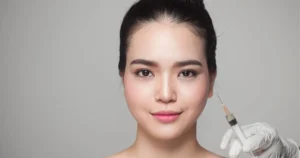
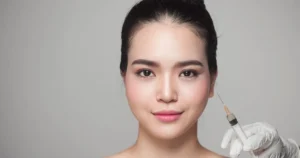







Table of Contents
You notice it in photos first, the faint lines on your forehead, the crease between your brows that seems a little deeper, or the crow’s feet that show up even when you’re not smiling. For many people, these changes arrive earlier than expected and can make them look more tired, stressed, or serious than they actually feel. It’s common to feel torn between accepting these lines and wanting a subtle, refreshed look.
That’s where wrinkle relaxers come in as a gentle, non-surgical way to soften expression lines. At Sculpt Aesthetics, clients seeking WRINKLE RELAXERS in Meridian, Idaho often want clarity on one key question: What areas of the face can be treated and which options will look the most natural? Understanding treatment areas helps you feel more in control, more informed, and more confident about taking the next step toward a smoother, rested appearance.
Understanding What Areas of the Face Can Be Treated with Wrinkle Relaxers
Wrinkle relaxers are injectable treatments that target “dynamic wrinkles,” the lines formed by repeated facial expressions. Every time you frown, raise your brows, squint, or purse your lips, the underlying muscles contract. Over the years, these repetitive movements keep folding the same areas of skin, eventually creating visible creases.
Wrinkle relaxers, which include familiar names like Botox, Dysport, and Xeomin, are neuromodulators. They work by gently reducing the activity of specific muscles. When those muscles can no longer contract as strongly, the overlying skin smooths out, and the lines soften. The goal isn’t to freeze your face, but to calm overactive muscles so that your expressions look more relaxed and less etched into the skin.
Upper Face: The Most Popular Wrinkle Relaxer Treatment Areas
Most people begin their aesthetic journey with wrinkle relaxers in the upper third of the face. These are often the first lines to appear and the ones that can change your expression the most.
Forehead Lines
Horizontal forehead lines form when you repeatedly raise your brows. Over time, these lines can remain visible even when your face is at rest, making you look surprised or older than you feel.
Carefully placed wrinkle relaxers can soften these lines while still allowing natural movement. This is one of the most common forehead and frown line treatments, and when done well, it creates a smoother, more relaxed look.
Frown Lines (Glabella)
Frown lines, also known as “11s,” appear between the eyebrows. They are caused by muscles that pull the brows inward, mainly when concentrating, squinting, or frowning. Deep glabellar lines can make someone look worried or upset, even when they feel perfectly calm.
Treating this area with wrinkle relaxers helps ease those strong muscle contractions. The result is a more approachable, rested expression. This is one of the classic facial areas for Botox or Dysport, and it pairs well with forehead treatments to create harmony across the upper face.
Crow’s Feet
Crow’s feet are the fine lines that extend from the outer corners of the eyes. They form when we smile, squint in bright light, or laugh. These lines can be charming, but they may become deeper or more noticeable over time.
Wrinkle relaxers can reduce the appearance of crow’s feet by softening the muscles that fan out from the eye area. This keeps the natural shape of your smile while giving the outer eye area a smoother, brighter appearance.
Bunny Lines
“Bunny lines” are small diagonal creases that appear along the sides of the nose when you wrinkle it often when smiling or laughing. For some people, these lines become etched into the skin, disrupting the overall balance of the face.
A small amount of wrinkle relaxer on either side of the upper nose can reduce bunny lines and create a more refined look around the mid-face.
Lower Face and Chin: Subtle Refinements with Wrinkle Relaxers
While the upper face is the most common focus, wrinkle relaxers can also be used strategically and conservatively on the lower face.
Lip Lines and “Smoker’s Lines”
Fine vertical lines around the mouth are often called “smoker’s lines,” although they can form in anyone due to genetics, sun exposure, or repetitive pursing of the lips. These can make lipstick feather, or give the mouth a tightened look.
Tiny, carefully placed doses of wrinkle relaxers can soften the muscle activity that intensifies these lines. This improves the area’s appearance without making the lips look stiff.
Downturned Corners of the Mouth
Some people feel their mouth corners pull downward, giving them a sad or tired expression even when they feel fine. This is often due to overactive depressor muscles at the corners of the mouth.
Chin Dimples and “Orange Peel” Texture
An overactive chin muscle can create a dimpled, pebbled, or “orange peel” texture. This may become more obvious with age, especially when talking or moving the jaw.
Wrinkle relaxers can relax the chin muscle, smoothing the surface and creating a calmer contour. This is a minor adjustment that can make the lower face look more refined.
Jawline and Neck Bands
In some cases, neuromodulators are used along the jawline or in the vertical neck bands (platysmal bands). For specific candidates, this can help soften tight muscles that pull downward or create visible cords in the neck.
Benefits of Knowing What Areas of the Face Can Be Treated with Wrinkle Relaxers
Understanding what areas of the face can be treated with wrinkle relaxers helps you make informed decisions and have more productive conversations with your provider. Some of the benefits include:
- More targeted treatment planning
You can prioritize the areas that impact your expression the most, like deep frown lines or prominent crow’s feet. - Natural-looking results
When you know the standard treatment zones, you can discuss what level of change feels right for you, rather than being surprised by your reflection. - Better long-term strategy
Knowing the best places to use wrinkle relaxers allows you and your provider to plan a gradual or preventive approach over time rather than reacting suddenly to deeper lines. - Improved confidence in your choices
Clarity about wrinkle relaxer treatment areas reduces anxiety and gives you a clear picture of what’s realistic. - More satisfaction with your results
When expectations are aligned with what each area can and cannot do, you’re more likely to feel pleased and comfortable with your outcome.
Is This Type of Wrinkle Relaxer Treatment Right for You?
Wrinkle relaxers are popular among people of all ages and lifestyles. You might be a good candidate if you:
- Notice dynamic lines from frowning, smiling, or raising your brows
- Feel your expression looks more tired, stressed, or stern than you actually feel.
- Want smoother skin without surgery or extensive downtime.e
- Prefer minimally invasive treatments that fit into a busy schedule.
- Are in generally good health and not pregnant or breastfeeding
Ready to Talk About Your Best Treatment Areas?
If you’ve been wondering which lines can be softened and how to keep your expressions looking relaxed yet genuine, a thoughtful conversation with an experienced provider can make all the difference. The team at Sculpt Aesthetics is here to guide you through your options, explain the most appropriate areas for wrinkle relaxer treatment, and design a plan that feels right for you.
Talk to our experts to find out which wrinkle relaxer treatment is right for you.
A personalized consultation can help you move from curiosity to clarity and, if you choose, to smoother, more refreshed-looking skin.
